A well-run grappling class can shape how your child handles pressure, peers, and personal goals
If you are looking for a youth grappling program that does more than burn energy after school, you are already asking the right question. The best kids programs do not just teach techniques. They teach routines, self-control, and the kind of calm focus that carries into homework, friendships, and the hard moments that pop up in real life.
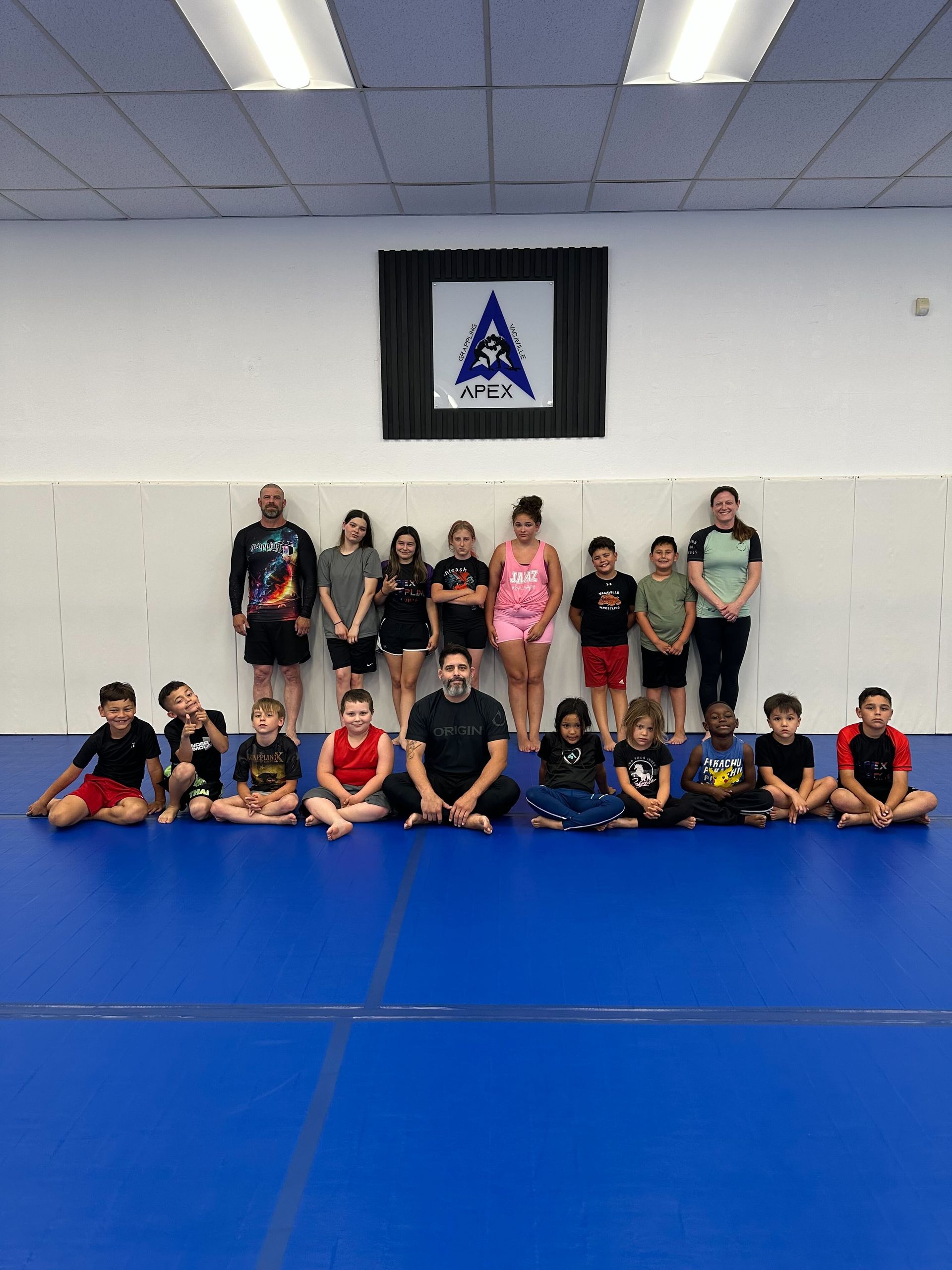
In our youth classes here in Vacaville, we see something simple happen again and again: kids rise to the standards we set. When expectations are clear and coaching is consistent, your child learns to listen, try, adjust, and keep going. That sounds small, but it is the foundation of discipline and leadership.
This matters locally, too. Vacaville is family-centered and active, but kids still deal with bullying, screen-time overload, and the need for structure between school and home. A dependable training routine gives them a place to belong and a way to grow, week after week, without needing to be the loudest kid in the room.
Why Grappling Builds Discipline in a Way Kids Can Feel
Discipline is not a speech. It is a habit. Grappling makes that habit practical because every class has a beginning, middle, and end that kids can count on. Bowing in, lining up, drilling, learning one detail at a time, and finishing together creates a rhythm that quietly trains self-management.
Brazilian Jiu-Jitsu and grappling are especially effective for this because progress is measurable and immediate. When your child forgets posture or grips, the technique stops working. When your child remembers, it works. That feedback loop is fast, honest, and surprisingly motivating.
Research across youth martial arts shows strong links to improved self-control, resilience, and prosocial behavior, including reductions in aggression and delinquency risk when programs emphasize respect and structure. We build our classes around those values on purpose, because the goal is not to create tough kids. It is to create steady kids.
The Routine That Teaches Self-Control
In a typical class, we coach kids to pause before reacting. That pause is where discipline lives. Instead of flailing or rushing, we teach them to breathe, frame, and solve the problem in front of them.
Over time, that becomes second nature. It is one of the reasons many families choose youth grappling in Vacaville when they want a sport that supports behavior at home and school, not just physical fitness.
Respect Is Not Optional in Our Room
Grappling requires partners. That alone encourages respect, because you cannot train well if you are careless with someone else’s body. We coach how to win safely and how to lose without melting down, and both are important.
Kids learn to tap early, listen quickly, and reset without drama. And yes, we still keep it fun. The room should feel focused, but it should not feel heavy.
How Grappling Develops Leadership Without Forcing It
Leadership in kids does not always look like giving directions. Sometimes it looks like helping a newer student tie a belt, showing patience during partner drills, or staying calm when a round is not going their way.
A youth grappling program naturally creates small leadership moments because students progress at different speeds. As skills build, older or more experienced kids start modeling behavior, even if they are quiet. That is real leadership: showing what good effort looks like.
We also use simple, consistent roles during class, like being a good drilling partner, offering controlled resistance, and encouraging teammates. Those are leadership reps, and they add up.
Mentorship Happens on the Mat
Kids often listen differently when guidance comes from someone just a little ahead of them. In our classes, students learn to look out for each other. When a teen helps a younger student remember a detail, the teen’s confidence grows in a grounded way. It is earned, not inflated.
That mentorship dynamic is one reason families stick with youth grappling classes Vacaville long-term. Your child is not just training alongside teammates. Your child is learning how to be one.
Physical Benefits: Coordination, Fitness, and Real Athleticism
Parents often notice physical changes first: better balance, stronger posture, improved coordination, and a willingness to be active. That is not surprising. Youth martial arts participants consistently show stronger outcomes in cardiorespiratory fitness, strength, flexibility, balance, and muscular endurance than non-athletes, with research reporting moderate to large effect sizes across multiple motor skill measures.
Grappling is especially useful for body awareness because so much happens on the ground. Kids learn how to move hips, manage pressure, and control space. Those are advanced coordination skills, but kids absorb them through drills and games that match their age.
For many children, this is the first sport where they truly understand how to use their whole body. You can see it in the way they move in daily life, too. They stop tripping over their own feet as much. They sit taller. They look more comfortable in their skin.
Emotional Growth: Confidence, Stress Control, and Resilience
Confidence in grappling is different than hype. It is calm. Your child learns, little by little, that panic is optional. When a position feels uncomfortable, we teach steps. When a round is challenging, we teach breathing and framing instead of giving up.
That carries into life outside the gym. Kids deal with stress in school, social pressure, and the emotional friction of growing up. A structured youth grappling program gives them a safe place to practice staying composed while still being challenged.
Studies on martial arts participation also highlight psychosocial gains like improved mental health, higher self-efficacy, reduced stress, and better social behavior. We see that in the way kids start speaking up respectfully, taking feedback without shutting down, and bouncing back faster after setbacks.
Bullying, Boundaries, and Safer Confidence
Many families come to us because bullying is on their radar. Sometimes it is direct. Sometimes it is subtle, like kids being excluded or pushed around socially. Grappling helps because it teaches physical boundaries and emotional boundaries.
We do not train kids to escalate. We train them to stay calm, create space, and make smart decisions. The confidence that grows from training often reduces the “target” feeling some kids carry, because posture and awareness change. Kids who feel capable tend to carry themselves differently, and peers notice.
Just as important, grappling teaches humility. Your child will learn that everyone taps. Everyone struggles. That perspective helps keep confidence from turning into aggression.
What Ages Do Best in a Youth Program?
We coach students from early childhood through the teen years, and the benefits look a little different at each stage.
Ages 4 to 6: Foundation Through Movement and Games
At this age, we focus on listening, balance, basic movement patterns, and very simple positional ideas. Kids learn how to be in a class setting, follow instructions, and work with partners.
Ages 7 to 12: Skill Building and Consistent Habits
This is where discipline really becomes visible. Kids can drill longer, retain details, and start understanding strategy. They also respond well to clear expectations and progress tracking, like stripes and skill milestones.
Teens: Leadership, Identity, and Real Problem-Solving
Teens often benefit from the mental side: decision-making under pressure, confidence with peers, and leadership roles in class culture. Training gives them an identity that is healthy and earned, especially during a stage of life that can feel messy.
Safety and How We Keep Training Kid-Appropriate
Parents should ask about safety. It is responsible. Grappling is a contact sport, but a well-structured youth class manages risk through coaching, rules, and supervision.
We keep training age-appropriate, teach tapping early, and prioritize control over intensity. Most minor issues in youth training are things like soreness or small strains, and we reduce even those by emphasizing good warmups, proper technique, and partner matching.
Here is what we do to keep the room safe and productive:
• We group students by age and experience so size and intensity stay reasonable
• We teach clear tapping rules and stop immediately when a partner taps
• We focus on positional control and fundamentals before advanced submissions
• We use structured rounds with coaching, not chaotic free-for-all sparring
• We maintain clean mats and hygiene standards to protect skin health
If you ever have a concern, we want you to bring it up. A youth grappling program works best when families and coaches are on the same page.
What a Typical Class Looks Like (So You Can Picture It)
Kids do better when expectations are predictable. Our classes generally follow a consistent structure so your child knows what is coming, even while the techniques change week to week.
1. Warmup with movement skills like shrimping, bridging, and balance games
2. Technique of the day taught in small steps with lots of coaching
3. Partner drilling with increasing resistance as students improve
4. Positional sparring that starts from a specific situation, not random chaos
5. Cooldown, quick review, and recognition for effort and improvement
That mix of repetition and challenge is where growth happens. It also helps kids who struggle with attention, because the class keeps moving and the goals stay clear.
Making Training Work With School and Family Life in Vacaville
Consistency is the secret ingredient, but it has to be realistic. Families in Vacaville juggle school schedules, homework, and work commutes. We design our class schedule with after-school training in mind, and we encourage families to aim for a routine your child can maintain.
Many kids do well with two classes per week as a baseline. From there, some add an extra class when they are ready or when they start setting goals like competition or advanced skill milestones.
If you are new to this, do not overthink it. Start simple, build the habit, and let momentum do its job. In our experience, kids stay with training when it feels like a normal part of life, not a constant scramble.
Why Families Choose Grappling for Character Development
Sports can build character, but grappling is uniquely direct. It puts kids in problem-solving situations where effort matters more than size, and where calm thinking beats frantic strength. That is a powerful lesson for a growing mind.
A youth grappling program also supports long-term health. With youth martial arts participation rising and a growing demand for structured, character-building activities, many families want something that develops the whole child: body, mind, and behavior.
If your goal is discipline and leadership, grappling is not a shortcut. It is a process. But it is a process we can guide step by step, with clear coaching and a supportive room.
Ready to Begin at Vacaville Grappling Academy
Building discipline and leadership is not about pushing kids harder. It is about giving your child a structured place to practice good habits until those habits stick. When training is consistent and coaching is thoughtful, confidence grows naturally, and leadership shows up in everyday choices.
At Vacaville Grappling Academy, we run our youth program with that bigger picture in mind: skill development, respectful behavior, safe training, and steady progress you can actually see over time.
To explore our programs before committing, sign up for a free trial.